
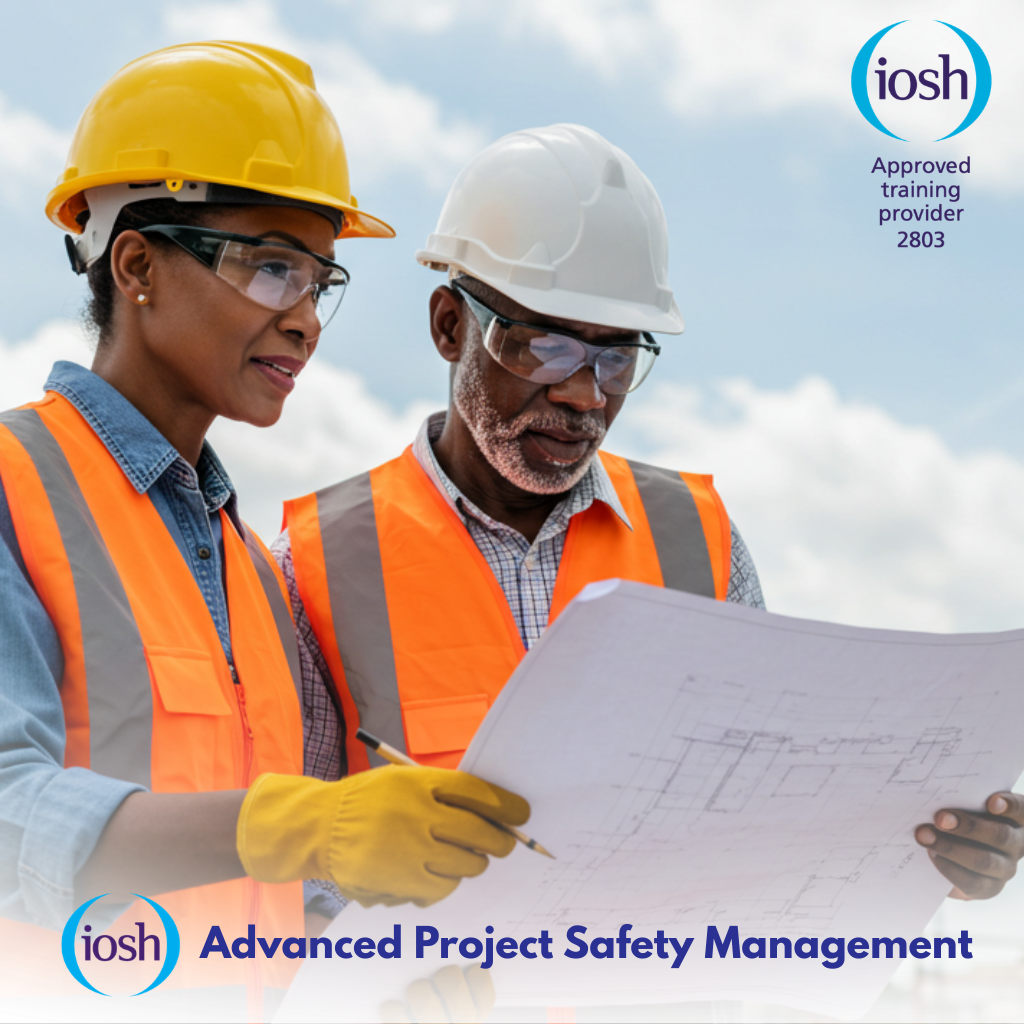
IOSH Advanced Project Safety Management
The course aims to give delegates an understanding of how to deal with health and safety issues on a project. The course is designed around safety and project management with emphasis on providing del...
Quick Summary
IOSH Advanced Project Safety Management is a comprehensive advanced training program delivered by Kevron Group and accredited by IOSH in Nigeria and across West Africa. Designed for professionals seeking to enhance their HSE expertise, this 3 months course offers iosh courses skills via online self-paced delivery, culminating in a recognized iosh certificate in advanced project safety management.
Course Overview
The training brings home how individuals and organisations can develop, make use of, and draw knowledge from both safety and project management to achieve project success.
What You'll Learn
Who Should Attend?
The course is appropriate for Project Managers, Safety Practitioners, Regulators, Engineers, Project team members and anyone involved in or associated with projects, either as a Planner, Accountant, Influencer, Sponsor or part of the project team including personnel who wish to increase their knowledge and experience in safety and project management.
Prerequisites
[]
Syllabus
Introduction to Project Management and PMBOK® Seventh Edition
- 1.0 Module 1 Purpose
- 1.1 Basic Project Management Terms
- 1.2 The Relationship among Portfolios, Programs, and Projects
- 1.3 Scope, Time and Cost – Managing the Triple Constraint
- 1.4 Project Charter
- 1.5 What is Project Management?
- 1.6 What Changed in PMBOK® Guide Seventh Edition?
- 1.7 Why Foundation Learners Must Understand the Shift
PMI Domains and Capability Areas in Practice
- 2.0 Module 2 Purpose
- 2.1 From Domains to Capability
- 2.2 The Three PMI Domains (These three domains together represent the full role of a modern project manager.)
- 2.3 Capability Areas Behind the Domains
People Domain and Leadership Capability
- 3.0 Module 3 Purpose
- 3.1 Leadership in a Project Context
- 3.2 Building Effective Teams
- 3.3 Stakeholder Engagement
- 3.4 Communication as a Leadership Tool
- 3.5 Conflict Management
- 3.6 Influencing Without Authority
Process Domain and Delivery Capability
- 4.0 Module 4 Purpose
- 4.1 Core Elements of Delivery Capability
- 4.2 Planning for Control
- 4.3 Monitoring and Control
- 4.4 Change Control
- 4.5 Risk and Issue Management
- 4.6 Predictive, Agile, and Hybrid Delivery Approaches
- 4.6.1 Predictive Delivery Approach (Plan-Driven)
- 4.6.2 Agile Delivery Approach (Adaptive)
- 4.6.3 Hybrid Delivery Approach
Business Environment Domain and Strategic Capability
- 5.0 Module 5 Purpose
- 5.1 Understanding the Business Environment Domain
- 5.2 Strategy and Project Alignment
- 5.3 Governance and Decision-Making
- 5.4 Compliance and Organisational Obligations
- 5.5 External Environment Factors
- 5.6 Organisational Change and Readiness
- 5.7 The Project Manager as a Strategic Contributor
Value Delivery and Project Context
- 6.0 Module 6 Purpose
- 6.1 Why Projects Exist in Organisational Context
- 6.2 Understanding the System for Value Delivery
- 6.3 Information Flow and Feedback Loops
- 6.4 Governance and Decision Rights
- 6.5 Internal and External Project Environment
- 6.6 Product Management Considerations
- 6.7 How Project Success Is Now Viewed
- 6.8 Value Realisation Across the Domains
- 6.9 Defining Value Early
- 6.10 Protecting Value During Delivery
- 6.11 Measuring Value and Benefits
- 6.12 Benefits Ownership and Sustained Results
- 6.13 Strategic Alignment and Project Selection
- 6.14 Strategy, Projects, and Organisational Goals
- 6.15 Project Selection in Practice
- 6.16 Strategic Criteria for Prioritisation
- 6.17 Business Case Thinking
- 6.18 Balancing Strategic Fit and Feasibility
- 6.19 Portfolio Thinking for Project Managers
AI Integration in Project Management
- 7.0 Module 7 Purpose
- 7.1 What AI Means in a Project Context
- 7.2 Where AI Can Support Project Management
- 7.3 AI as Support, Not Substitute
- 7.4 Risks and Limitations of AI in Projects
- 7.5 Responsible Use of AI in Project Management
- 7.6 Practical AI Use Cases for Project Managers
Sustainability & ESG in Project Management
- 8.0 Module 8 Purpose
- 8.1 Sustainability in Project Terms
- 8.2 Understanding ESG
- 8.3 Why ESG Matters in Projects
- 8.4 Sustainability Risks and Opportunities
- 8.5 Integrating ESG into Project Planning
- 8.6 Governance and Ethical Decision-Making
- 8.7 ESG and Project Success
Managing Project Risk, Change and Uncertainty
- 9.0 Module 9 Purpose
- 9.1 Why Risk, Change, and Uncertainty Matter
- 9.2 Sources of Project Risk and Uncertainty
- 9.3 Risk Identification and Analysis
- 9.4 Change Management in Projects
- 9.5 Responding to Uncertainty
- 9.6 Risk Response Thinking
- 9.7 Decision-Making Under Pressure
Project Team, Organization, Roles & Responsibilities
- 10.0 Module 10 Purpose
- 10.1 Problems, Roles, and Competencies of a Project Manager
- 10.2 Common Problems of a Project Manager
- 10.3 Stakeholders
- 10.4 Stakeholders’ Identification and Influence
- 10.5 Project Stakeholders Analysis
- 10.6 Communication Excellence in Projects
- 10.7 Leading a Project kick-off Meeting
Design Risk Management
- 11.0 Legal Requirements for Design Risk Management
- 11.1 Design Risk Management
- 11.2 Hazards to consider in the Design
- 11.3 Designer Input into Information (PCI, CPP & HSF)
Risk Management and Control Techniques
- 12.0 Module 12 Purpose
- 12.1 Effective Risk Management in Building Projects
- 12.2 Frameworks for Briefing, Designing, Constructing, and Operating Building Projects
- 12.2.1 The RIBA Plan of Work Framework
- 12.2.2 Integration with Health and Safety Frameworks
- 12.2.3 The RIBA Stages and HSE Interventions
- 12.2.4 Summary Table – RIBA Stages and HSE Interventions
- 12.2.5 Comparison Table Between RIBA, PMBOK, and CDM 2015
- 12.3 Ten Basic High-Risk Activities (HRAs) in Construction
- 12.3.1 The Ten Basic High-Risk Activities
- 12.3.2 Cross-Cutting Control Principles for All HRAs
Microsoft Project
- 13.0 Project Management Tool
- 13.1 Gantt Chart
- 13.2 Resource Sheet
- 13.3 Task View and Task Details
- 13.4 Task Information
- 13.5 New Project Information
- 13.6 Developing Tasks and Phases
- 13.7 Project Calendar
- 13.8 Resources
- 13.9 Default Standard Rate and Overtime Rate
- 13.10 The Scheduling Formula: Duration, Units, and Work
- 13.11 Costs
Delivery Modes & Upcoming Schedules
No classroom sessions currently scheduled for this intake term.
Request Private / Corporate IntakeNo virtual classroom sessions currently scheduled.
Request Live Virtual DeliveryNo blended sessions currently scheduled.
Request DatesInstructor-Led Online Learning
This course is delivered online via our LMS with live instructor sessions, structured timelines, and guided learning. Check above for scheduled dates.
Reviews & Ratings
No ratings yet
Be among the first verified learners to rate this course.
Log in to leave a review
Only verified learners with an active enrolment can submit reviews.
Log In to Review
Managing complex project safety and multi-contractor environments?
Kevron Consulting UK acts as client project safety advisers, coordinating CDM duties, reviewing high-risk method statements, and managing project safety audits.
Delivered by IOSH, CQI/IRCA & OTHM-aligned chartered health, safety & risk practitioners.
Frequently Asked Questions
<p>Kevron Consulting UK delivers consultancy through structured diagnostics, gap analyses, and embedded technical advisory. We operate across the UK from our London base, supporting clients with risk assessments, ISO management systems development, statutory compliance reviews, and executive safety governance.</p>
<p>Yes. Our qualified lead auditors design, implement, and audit Integrated Management Systems (IMS) fully aligned with ISO 45001 (Occupational Health & Safety), ISO 14001 (Environmental Management), and ISO 9001 (Quality). We guide organisations through initial gap analysis, process documentation, internal auditing, and stage 1 & 2 UKAS certification body audits.</p>
<p>You can request a tailored proposal via our online Request a Quote wizard or by contacting our London advisory team directly. We typically schedule a preliminary technical scoping call within 24 hours, followed by a formal written proposal and delivery schedule within 2–3 business days.</p>
<p>Yes. Under Regulation 7 of the Management of Health and Safety at Work Regulations 1999, UK employers must appoint one or more competent persons to assist in undertaking health and safety measures. Kevron Consulting UK Limited provides retained advisory packages that formally satisfy this statutory requirement, providing continuous access to chartered safety practitioners (CMIOSH).</p>
<p>Retained advisory support typically includes: formal certificate of competent person appointment, annual H&S policy review, baseline workplace compliance audit, scheduled site inspections, ongoing telephone and email advice desk, incident investigation guidance, and regulatory liaison during HSE or Local Authority inspector enquiries.</p>
<p>We provide comprehensive CDM compliance support across all project stages. Our services include: advising Commercial Clients on their statutory duties, assisting Principal Designers with pre-construction information (PCI) compilation and design risk management, reviewing Construction Phase Plans (CPP) and RAMS for Principal Contractors, and conducting independent site safety compliance audits.</p>
<p>Yes. Our construction safety specialists evaluate CPPs, RAMS, temporary works arrangements, and high-risk activity permits before site work commences, ensuring strict alignment with CDM 2015 standards, HSE guidance, and client project specifications.</p>
<p>We deliver corporate training through three flexible formats: live virtual instructor-led cohorts (timed for London / Europe timezones), on-site classroom sessions at your premises across the UK, and self-paced digital learning through the Kevron Virtual Learning Environment (VLE).</p>
<p>Yes. Our instructional designers and chartered practitioners create tailored training programmes incorporating your organisation’s specific operational risk profiles, policies, site rules, and standard operating procedures (SOPs), complete with branded learner materials and assessment frameworks.</p>
<p>You can browse upcoming cohorts and enrol directly through our Course Catalogue. Select your desired course, choose an open cohort or self-paced option, and complete registration online. Corporate buyers can also reserve multiple seats with invoice billing.</p>
What's Included
- Tutor-supported learning
- Workplace-based assessment support
- IOSH diploma award on successful completion
Certification & Awarding Body
IOSH Certificate in Advanced Project Safety Management
Need Help Choosing?
Our training advisors are here to help you find the right course for your career goals.
Speak to an AdvisorRegulatory Compliance Standards
This programme aligns with the following frameworks
ISO 14001:2015 ??? Environmental Management Systems
ISO 14001:2015 is the international standard for environmental management systems, enabling organisations to improve environmental performance, achieve compliance, and fulfil environmental objectives. Kevron Group provides full ISO 14001 gap analysis, implementation support, and pre-certification audit services.
View Official StandardUK Health and Safety at Work Act 1974 (HASAWA)
The UK Health and Safety at Work Act 1974 is the cornerstone of UK HSE legislation, placing general duties on employers to ensure the health, safety and welfare of employees. Our Ipswich office supports UK-registered clients in compliance reviews, COSHH, RIDDOR, and CDM management.
View Official StandardGhana EPA Environmental Assessment Regulations (LI 1652)
LI 1652 governs the environmental impact assessment process in Ghana, requiring project proponents to obtain environmental permits and submit EIA reports. Kevron Group facilitates EIA documentation, site assessments, and EPA liaison for clients in Ghana.
View Official StandardFrequently Asked Questions
Recommended Training Materials
Enhance your learning with official manuals, revision guides, and practice templates mapped to this course.
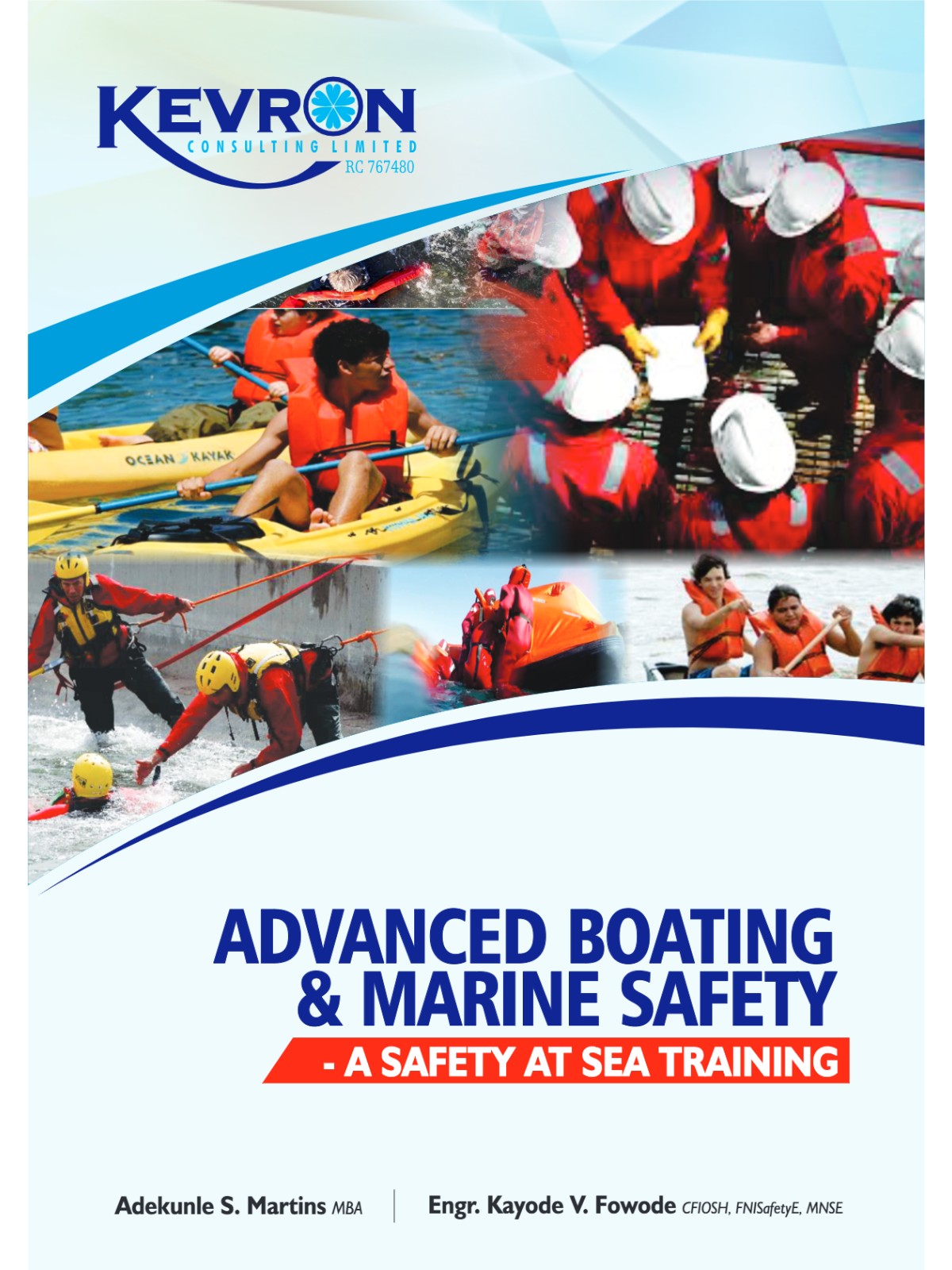
Advanced Boating & Marine Safety - A Safety at Sea Training
Field-focused training handbook for marine crew, boat operators, and offshore workers.
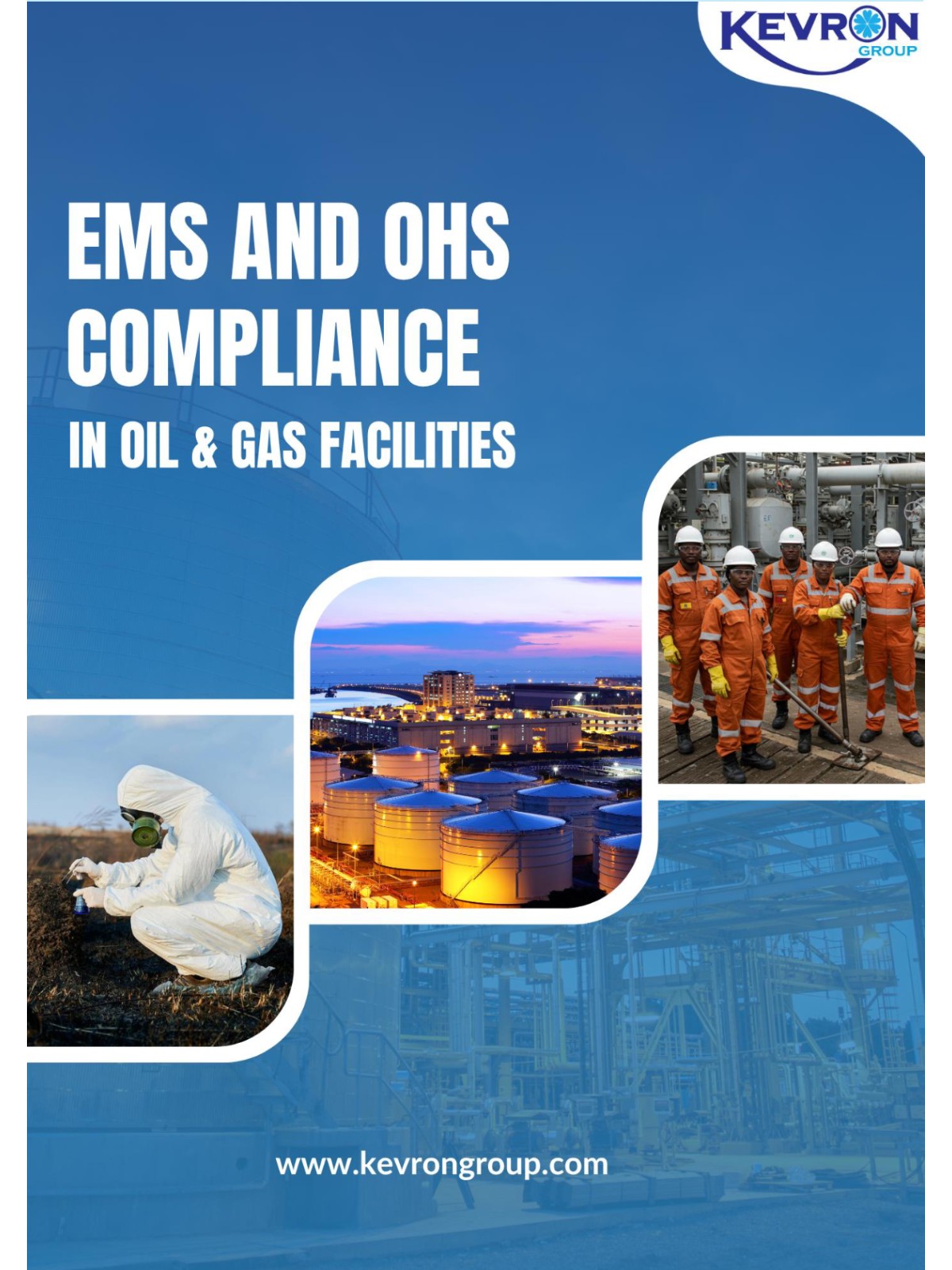
EMS And OHS Compliance in Oil & Gas Facilities
A practical, industry-focused training manual for environmental and safety compliance in petroleum facilities.
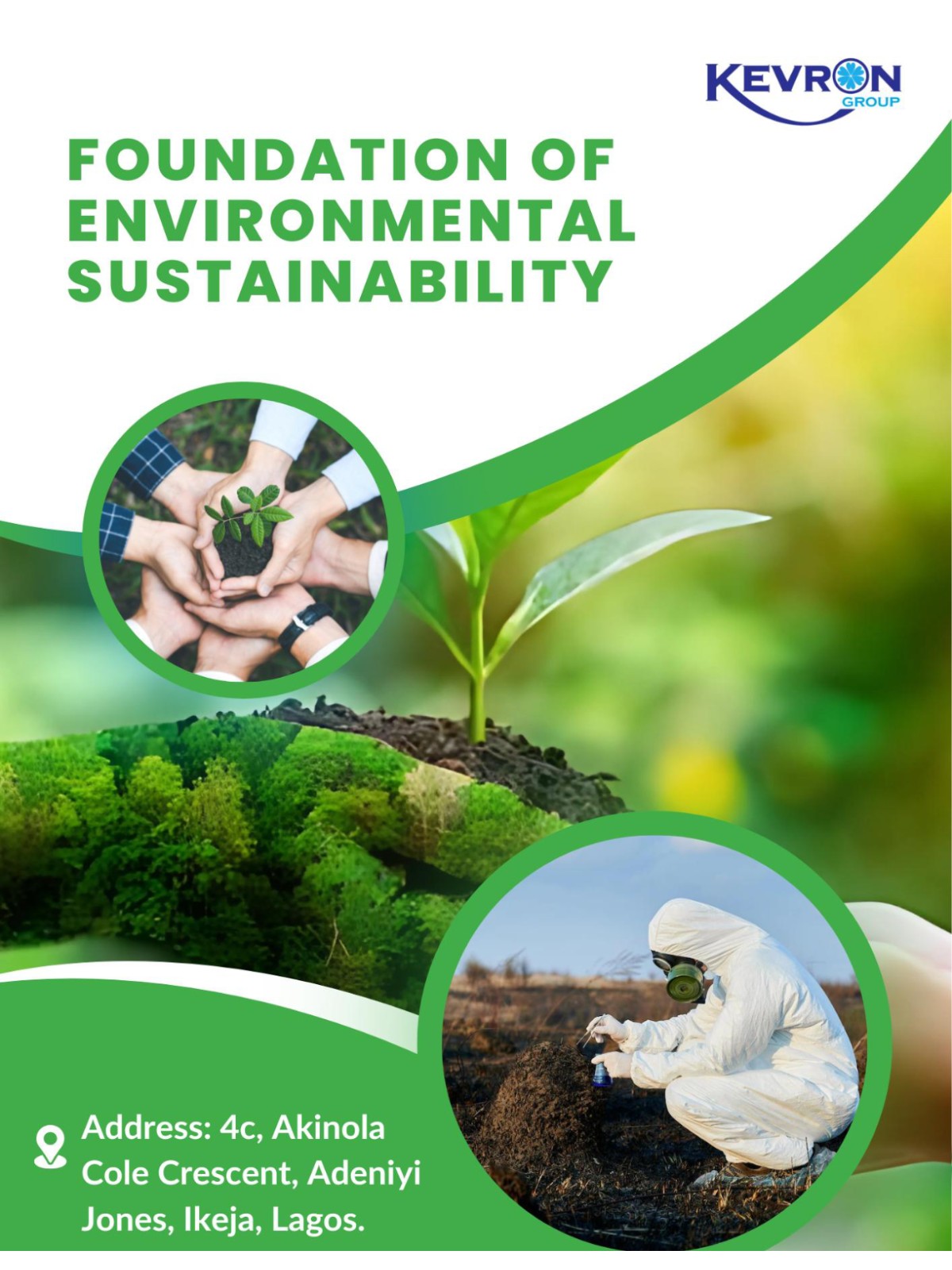
Foundation of Environmental Sustainability
A comprehensive training manual offering critical frameworks for addressing environmental sustainability and sustainable development challenges.
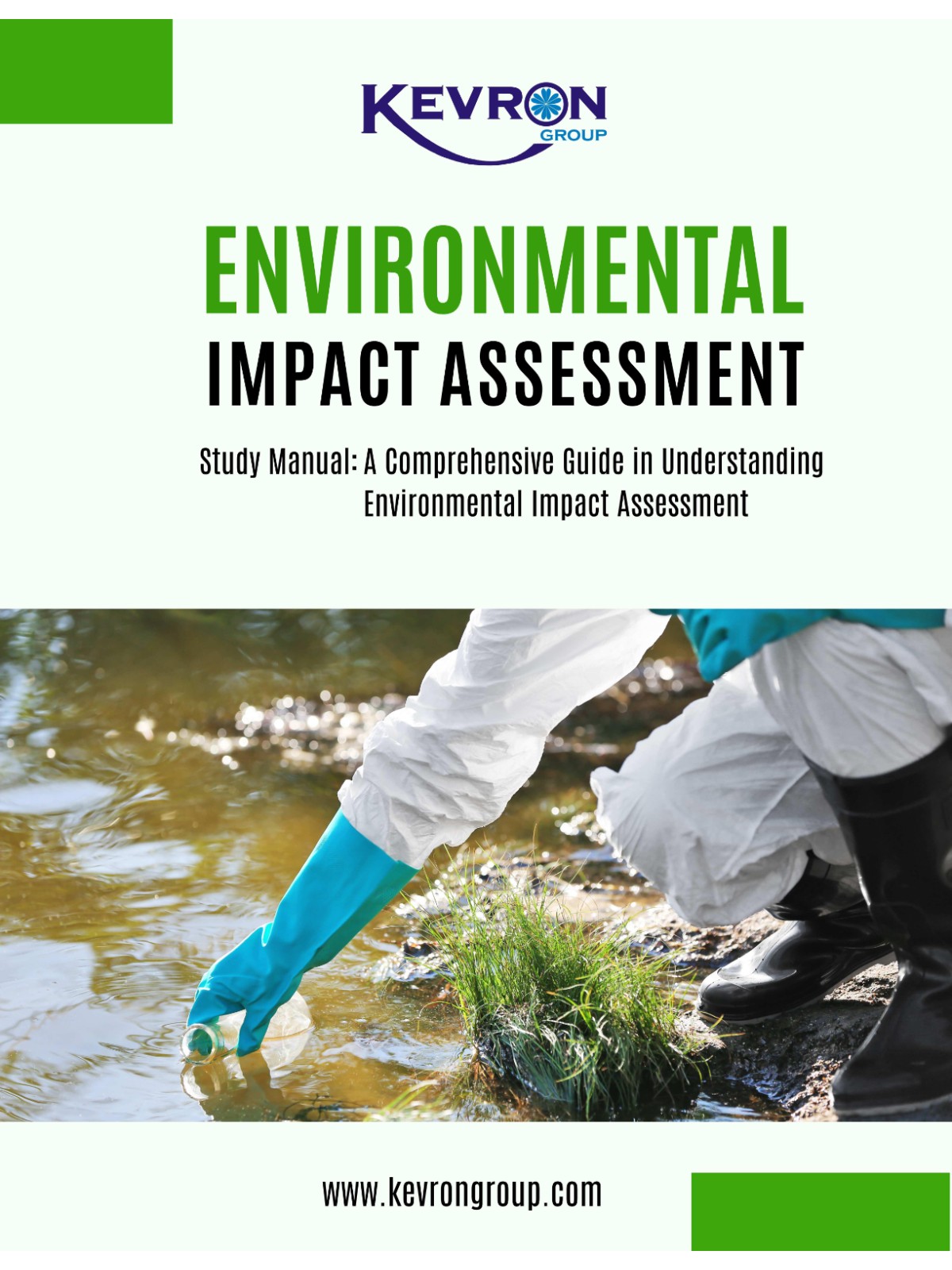
Environmental Impact Assessment
A comprehensive guide to understanding and conducting Environmental Impact Assessments.
Ready to Take the Next Step?
Enrol in IOSH Advanced Project Safety Management today and advance your career with industry-recognised certification.