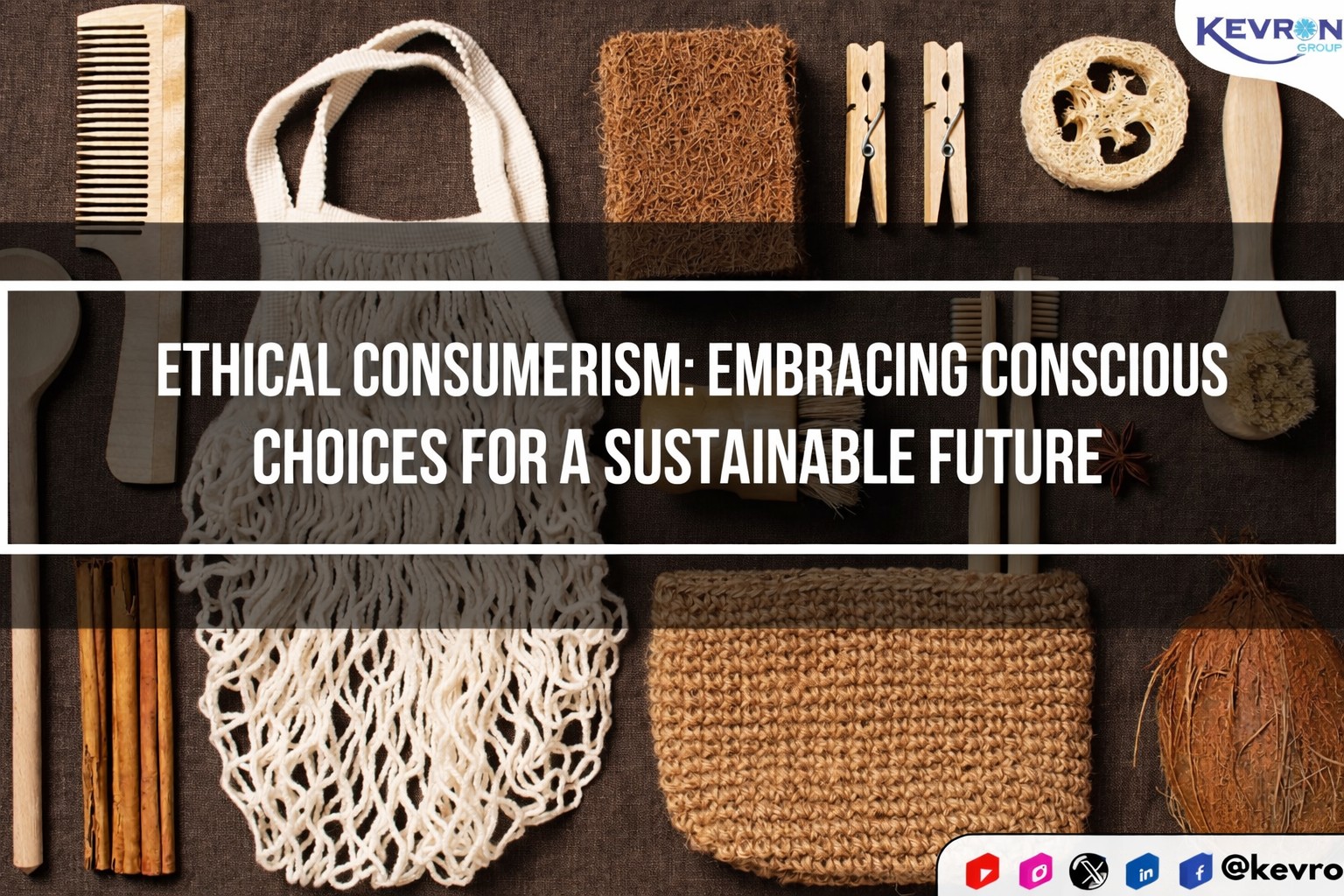
In today’s world, shopping goes beyond personal preference; it reflects our values. Ethical consumerism isn’t just about being eco-friendly; it encourages us to make informed purchasing decisions that prioritize environmental sustainability, fairness, and compassion.
What Is Ethical Consumerism?
Ethical consumerism means buying goods and services that are produced responsibly, socially, environmentally, and ethically. It’s about asking, “Who made this?”, “How was it made?”, and “What impact does this have on people, animals, and the planet?” Whether it’s food, clothes, or electronics, ethical shoppers try to support businesses that are doing the right thing.
What Do Ethical Shoppers Care About?
- The Environment: Choosing items made from recycled or sustainable materials, avoiding plastic-heavy packaging, and supporting companies that reduce waste and carbon emissions.
- Fair Trade: Supporting farmers and workers, especially in developing countries, by choosing products that guarantee fair wages, safe working conditions, and dignity.
- Animal Welfare: Buying cruelty-free or vegan products that don’t involve animal testing or exploitation.
- Worker Rights: Avoiding brands linked to sweatshops or unfair labour practices and supporting those that pay fair wages and treat their workers well.
- Local and Small Businesses: Shopping local helps reduce our carbon footprint and strengthens communities by keeping money circulating close to home.
Why It Matters
Choosing ethical products helps protect the environment, support fair labour, and reduce harm to animals. Each purchase is a vote for a better world and a chance to do good with our money.
The Challenge
Ethical options can be more expensive, and it is not always clear which brands are genuinely responsible. Misleading labels and greenwashing are common, so informed choices through research are essential.
Simple Ways to Shop More Ethically
- Research Brands: Investigate brands before you buy. Use apps like Good On You, Done Good, Buycott, and Giki Badges to check how ethical companies are.
- Look for Trusted Labels: Look for trusted certifications such as Fair Trade, USDA Organic, Cruelty-Free, and Carbon Neutral. This points you in the right direction.
- Buy Less, Choose Well: Consuming less is often the most ethical choice.
- Support Local: Buying from local markets and small businesses promotes sustainability and keeps money within communities.
In a Nutshell
Ethical consumerism empowers us to make everyday choices that protect the planet, respect human rights, and promote animal welfare. By spending consciously, we turn ordinary purchases into meaningful actions. Choosing responsibly is not just beneficial; it is essential for a sustainable future.